
Monthly SEO Explained
Search Engine Optimisation (SEO) is structured as an ongoing monthly service because search results are dynamic, competitive environments rather than static directories. While a one-off setup can fix immediate technical errors and align your site with basic search engine guidelines, it cannot stop competitors from publishing better content, earning more authoritative links, or outmanoeuvring you in local search results over time. Search engines like Google continually refine their algorithms to reward websites that demonstrate fresh relevance, strong technical health, and genuine authority. An ongoing monthly campaign allows SEO professionals to monitor performance data, adapt to shifting user search habits, and execute a structured roadmap of improvements that compound in value month after month.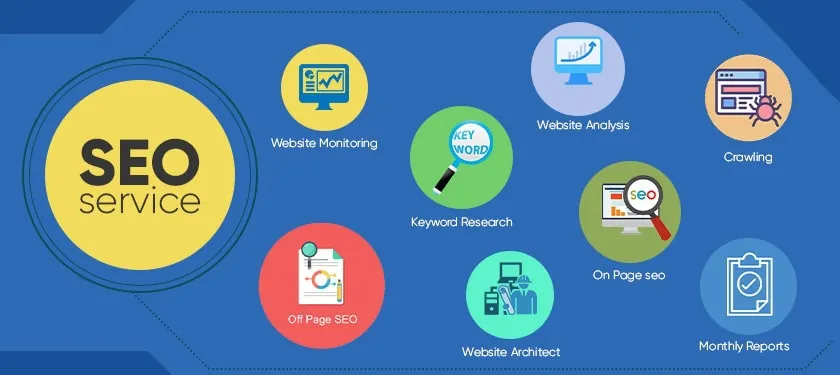
One-off SEO vs Monthly SEO: Which Do You Need?
Not every business requires an aggressive, continuous campaign from day one, so understanding the difference between a single project and a monthly retainer helps you invest wisely.- When a one-off SEO project works: If you operate in a very low-competition niche, serve a small rural area with few rivals, or simply need a foundational technical audit before launching a new website, a one-time setup may suffice. This covers baseline tasks like configuring tracking tools, optimising initial page titles, and fixing broken links.
- When monthly SEO is required: If you compete in a crowded metro market, rely on organic search for consistent lead generation, or plan to expand your service areas and product lines, a single setup will quickly stall. Competing against businesses that actively publish content and build authority every week requires an equally consistent effort.
A Typical Monthly SEO Workflow
Effective SEO involves far more than tweaking keywords on a page. By breaking the workload into structured monthly sprints, specialists can prioritise high-impact actions without overwhelming your website or budget. Here is how a transparent campaign progresses from the initial setup into ongoing growth.Month 1: Foundation, Auditing, and Quick Wins
The first month focuses on diagnosing what is currently holding your website back and establishing accurate measurement systems.- Technical and site health audit: Identifying crawl errors, slow-loading pages, mobile usability issues, and indexation blocks that prevent search engines from reading your site properly.
- Tracking and analytics verification: Configuring analytics and search console data to accurately record organic traffic, phone calls, and form submissions.
- Keyword and competitor mapping: Analysing the exact terms your prospective customers use and mapping those queries to specific pages on your site.
- Core on-page fixes: Rewriting underperforming title tags, meta descriptions, and heading structures on your primary money-making pages.
Months 2 and Beyond: Recurring Growth Activities
Once the technical foundation is stable, the monthly focus shifts to expanding your digital footprint, building trust signals, and capturing new search demand.- Content creation and refreshes: Writing new service pages, location pages, or helpful guides that answer customer questions. Just as importantly, this includes updating older pages with fresh examples and clearer answers so they do not lose relevance.
- Local visibility and citation management: Maintaining accurate business name, address, and phone details across trusted Australian directories, while optimising your Google Business Profile with regular updates, service listings, and review management strategies.
- Link acquisition and digital PR: Earning relevant backlinks from reputable industry sites, local organisations, and business partners to strengthen your domain authority.
- Continuous technical maintenance: Resolving new 404 errors, fixing redirect chains, and checking that routine website updates or new plugins have not accidentally damaged page speed or search visibility.
- Conversion tuning: Reviewing how organic visitors interact with your pages and refining calls to action, contact forms, and page layouts to turn more existing traffic into enquiries.
Why Search Rankings Drop Without Maintenance
Business owners often ask why a page that ranks well today cannot simply stay at the top indefinitely. Even if search engine algorithms froze tomorrow, your rankings would still fluctuate due to four persistent factors:- Competitor activity: Your rivals are not standing still. When a competitor publishes a more comprehensive service guide, improves their site speed, or earns a batch of local press mentions, search engines re-evaluate who deserves the top spot.
- Content decay: Information ages quickly. A service page or industry article written two years ago may lack current context, updated terminology, or answers to new customer concerns. When users click away from an outdated page to find a better answer elsewhere, search engines take notice.
- Technical rot: Websites naturally degrade over time as software updates occur, staff upload uncompresssed images, old pages are deleted without proper redirects, and external links break. Left unchecked, these minor glitches accumulate and harm your overall site quality score.
- Shifting user behaviour: The way customers search changes with seasons, economic shifts, and emerging technologies. Ongoing keyword analysis ensures your website captures how people search today, not how they searched three years ago.
How to Measure the Return on Your Monthly SEO
Paying a monthly retainer requires clear accountability. While keyword rankings are a useful diagnostic indicator, they do not pay the bills on their own. A reputable monthly SEO report should connect the work completed to tangible commercial outcomes. Each month, you should expect visibility into three core areas:- Completed deliverables: A plain-English breakdown of the exact pages written or updated, technical issues resolved, citations built, and links earned during the billing period.
- Qualified organic traffic: Growth in visitors arriving from non-paid search results, specifically looking at traffic to your key service, product, or local landing pages rather than irrelevant blog hits.
- Leads and conversions: The number of phone calls, quote requests, bookings, or sales generated directly from organic search visitors, alongside actions taken on your local business profile such as direction requests and website clicks.